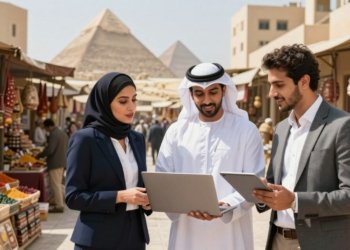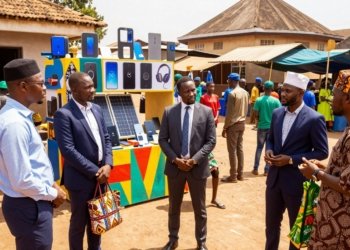

What if the world’s most dynamic entrepreneurial force isn’t found in Silicon Valley, but across the vast and diverse landscapes of Africa?
This region boasts the highest rate of female entrepreneurial activity globally, at approximately 24 percent. This momentum is backed by powerful initiatives like the Alitheia IDF Fund, which aims to raise USD 100 million to support gender-diverse firms.
Despite this energy, female leaders navigate a complex environment. Limited formal job opportunities in places like sub-Saharan Africa have pushed many to take their destinies into their own hands.
This essential resource explores that dynamic landscape. We provide actionable insights for navigating the modern economic ecosystem. Understanding these nuances is critical for anyone looking to launch or scale an enterprise.
Key Takeaways
- Africa leads the world in female entrepreneurial activity.
- Significant financial backing, like the Alitheia IDF Fund, is emerging to support growth.
- Many female entrepreneurs are creating opportunities where formal jobs are scarce.
- Success requires understanding the unique challenges of the local business environment.
- Actionable strategies are needed to effectively scale operations.
- The continent’s economic landscape offers immense potential for driven leaders.
- Building a strong network is a cornerstone for long-term success.
The Legacy of Women Entrepreneurs in Africa
Long before modern venture capital, a tradition of female-led commerce was shaping local economies. This enduring legacy provides crucial context for today’s thriving ecosystem.
Historical Milestones in Female Entrepreneurship
Key figures have marked pivotal moments. In 2008, Tokunboh Ishmael and Polo Leteka launched the Alitheia IDF fund.
This initiative pioneered gender-lens investing, targeting firms owned by females. It was a landmark for structured support.
Another milestone came in 2014. Chika Russell founded her enterprise after seven years in finance. Her path highlights the resilience needed to transition from corporate work.
Impact on Modern Business Practices
This historical foundation shows female leaders have always been a vital part of economic development. Their enduring presence challenges outdated norms.
Today, this legacy proves that diverse leadership teams drive superior growth. Understanding this history equips current leaders.
They can appreciate the hard work required to break down persistent barriers. The evolution of entrepreneurship here is a story of continuous adaptation and strength.
Understanding the Unique Challenges in the African Business Landscape
Building a venture here means engaging with a complex web of cultural norms and legal frameworks. These systemic hurdles can define the entire entrepreneurial journey.
A recent World Bank report delivers a stark finding. No nation worldwide offers full, equal economic prospects for all genders. This global shortfall is acutely felt across many nations.
Cultural and Legal Barriers
Deep-seated biases present a significant challenge. Founders often operate in environments where men are traditionally seen as primary decision-makers.
In some countries, outdated laws persist. A female entrepreneur might need her husband’s signature to register her company. This legal reality directly restricts economic potential.
Access to Finance and Market Opportunities
Securing capital remains a critical hurdle. Some financial institutions still require a male co-signer for loan applications. This creates an uneven playing field from the start.
Every new opportunity for growth comes with extra effort. Professionals must work harder to earn the same respect as their peers. Addressing these issues is key for true gender equality.
Progress requires changing mindsets within communities and boardrooms. Transforming the business landscape is an essential step for inclusive growth.
Key Pioneering Initiatives and Financial Support
Strategic funds and institutional partnerships are now providing crucial growth capital to underrepresented founders.
This shift marks a pivotal moment for economic inclusion across the region.
Role of the Alitheia Women Fund for Africa
The Alitheia IDF is a closed-end private equity vehicle. It targets a size of USD 100 million.
In November 2021, the European Investment Bank committed USD 24.6 million. This injection helped the management team move closer to its goal.
Multilateral and Institutional Support in the Region
Entities like the Baobab Group deliver essential services. They offer training and financial products to hundreds of thousands of small enterprises across seven nations.
Such backing is vital for firms needing to expand manufacturing or enter new markets.
Better access to financing allows these companies to scale. They can compete with larger corporate entities.
Investors now see strong returns from backing diverse leadership teams. This investment approach combines social impact with solid financial performance.
Women in Business Africa Guide: Strategies for Success
The journey from startup to scale-up is paved with deliberate planning and expert guidance. Concrete tactics transform vision into sustainable growth.
Securing Capital and Investment
Mastering access finance is a critical skill. Formal programs demystify the banking sector.
For example, IFC and Nigeria’s Access Bank delivered a six-month mini-MBA course. Mawuse Gyisun, the founder of Sommalife, used this training.
She raised more funding and expanded her network to 100,000 farmers. This shows how targeted education unlocks investment.
Networking, Training, and Mentorship
Building connections across africa shares vital best practices. It opens doors to mentors who have scaled ventures.
Specialized financial services and ongoing business development support are essential. They help any founder professionalize operations.
Continuous training ensures leaders adapt their strategies. This keeps companies competitive in a changing economy.
Innovative Solutions and Emerging Trends Among African Women Entrepreneurs
Innovative approaches are unlocking economic potential. They combine advanced technology with community-focused models.
Tech-Driven Startups and AI Innovations
Organizations like the Chil Artificial Intelligence Lab use machine learning. They provide chronic disease prevention services.
Fintech companies analyze sex-disaggregated data. This helps them serve female customers better.
Innovative businesses like Dromedic use smart logistics. They improve medical supply delivery in the healthcare sector.
Sustainable Agriculture and Eco-Friendly Ventures
Mary Nyambura founded Ecocharge Limited. Her firm processes 20,000 tons of biomass briquettes annually.
This work drives significant growth in rural communities. It turns waste into clean energy.
Programs like Sourcing2Equal offer vital training. They ensure access to contracts with large companies.
The Role of Policy, Investment, and Financial Services
The final piece of the puzzle for sustainable entrepreneurial ecosystems lies in coordinated action from governments and investors. This synergy creates the foundation where ventures can truly flourish.
Government Reforms and Financial Inclusion
A 2024 World Bank report highlights a positive trend. Many nations are now top reformers, passing laws to improve gender equality.
These policy shifts are critical. They foster an environment where women entrepreneurship can thrive. A key goal is improving access finance through digital platforms.
This ensures founders have the same access to capital as their peers. It is a fundamental step for inclusive growth.
Impact of Private and Institutional Investments
Programs like IFC’s She Wins Africa demonstrate this impact. They provide networking and market access required to succeed.
This investment provides necessary funding. It helps professionals break into male-dominated sectors like construction.
Financial services tailored to specific needs unlock higher growth potential. By increasing economic participation, nations ensure development strategies reflect all citizens.
Real-Life Success Stories Across African Countries
Behind every statistic on growth are human stories of resilience, innovation, and community impact. These narratives from the ground prove what is achievable.
Case Studies from Nigeria and Sub-Saharan Africa
Chika Russell’s venture in Nigeria now employs 320 people. A remarkable 70% of this workforce are female.
This demonstrates that female leaders can build large-scale manufacturing companies. It creates significant opportunities within local communities.
Another example is MamaMoni. This organization provides micro-business loans to underserved female founders in both rural and urban areas.
It addresses the critical challenge of limited access to traditional finance. Such services are vital for growth.
Across various countries, innovative models are driving economic participation. These entrepreneurs leverage funding and supportive policy.
They transform entire sectors and markets. The right investment and capital unlock this potential.
These case studies highlight how gender-diverse teams fuel development. They are essential for the continent‘s long-term progress.
Conclusion
Empowering female founders is not just a moral imperative but a proven economic catalyst. Supporting these entrepreneurs drives sustainable growth and sparks innovation across entire economies.
To unlock this potential, we must tackle barriers to finance and policy. This creates more equitable markets where all businesses can thrive.
Continued investment in training and mentorship prepares the next generation. Data-driven financial services are essential to close gaps and provide the capital needed to scale.
Ultimately, this success is a collective victory. It boosts family incomes, strengthens communities, and fuels national prosperity.