
Want to win new clients or secure a major project? A powerful plan is your key tool. This written document aims to persuade stakeholders by highlighting the benefits of your company.
In Morocco’s dynamic and growing market, this document is critical for sealing deals. You need a strategy that respects local customs.
Our guide provides a proven template and step-by-step methods. These are tailored to Moroccan business culture and legal rules. Success here requires a deep grasp of local nuances.
We cover everything from initial research to final submission. The goal is simple. We will equip you to create persuasive documents that win contracts and build lasting partnerships in Morocco.
Key Takeaways
- Understanding local Moroccan culture is as important as the proposal’s content.
- Always consider the legal and regulatory framework for your industry.
- Building personal relationships often precedes formal agreement.
- A clear, logical structure builds trust and professionalism.
- Use persuasive language that addresses the client’s specific needs.
- Professional presentation and visuals make a strong first impression.
- A strategic follow-up plan is essential after submission.
Why Business Proposals Are Critical in Morocco’s Growing Economy
Several high-potential sectors in Morocco are actively seeking innovative solutions and international expertise. The economy is expanding fast. Key areas like renewable energy, tourism, advanced manufacturing, and technology are pulling in major investment.
This growth creates a perfect chance for skilled teams. To seize it, you need a formal plan that opens doors.
A well-crafted document establishes your credibility from the start. Moroccan firms and government bodies value professionalism. Your written plan is proof of your serious intent and organized approach.
It builds essential trust before a first meeting even happens.
This tool also ensures clear communication of your value. It aligns expectations between you and local partners. You can detail your project scope, timeline, and financial terms precisely.
This prevents misunderstandings down the line. Everyone agrees on the job from day one.
In a market that prizes personal relationships, a meticulous plan gives you a strong competitive edge. It shows respect for the client’s time and needs. A professional presentation, with clear visuals and logical content, makes a lasting positive impression.
It demonstrates you did your homework and understand their specific problem.
Winning a single contract can lead to much more. Success builds your reputation within local networks. A happy client often leads to valuable referrals and expanded opportunities across the industry.
Your first project is the key to long-term growth and partnership in Morocco.
Understanding Moroccan Business Culture and Communication Styles
Your document’s effectiveness hinges not just on what you say, but on how you say it within the local context. Success here requires more than a strong project plan. It demands cultural awareness that builds the trust needed to secure a contract.
Navigating this landscape means observing specific norms and choosing your words with great care. This approach shows respect and significantly increases your chance of a positive outcome.
Key Cultural Norms and Etiquette to Observe
Building strong personal relationships is the foundation of any professional deal. Initial meetings often focus on getting to know you and your team. Rushing straight to work talk can seem impersonal.
Take time for genuine conversation. This builds the rapport needed for successful collaboration.
Respect for hierarchy and age is important. Address senior figures with formal titles and show deference in your communication way. Patience is also a valued virtue.
Decision-making can involve several people and careful consideration. Demonstrating that you understand this process will set the right expectations from the start.
Language Considerations: Arabic, French, and English Usage
Morocco’s linguistic landscape is unique. Modern Standard Arabic is the official language. French is the dominant tongue for formal commercial and government affairs.
English use is growing, especially in tech and international sectors. Your document’s content must navigate this mix.
Always determine your client’s preferred language in advance. For formal documents, French is frequently the safest choice. If you are dealing with a diverse team, consider providing an executive summary in multiple languages.
This ensures all decision-makers grasp the key details.
Never rely on direct automated translations. Hire a professional translator familiar with industry terms. This avoids embarrassing errors and shows you value precision.
Using basic Arabic greetings, like “As-salamu alaykum,” in your opening can make a powerful point. It demonstrates respect and effort, creating an immediate positive connection.
Mastering the Business Proposal: Core Components and Structure
An effective strategy document is more than just words. It’s a carefully assembled map to a successful partnership. Each part has a specific purpose and builds upon the last.
This logical flow guides your Moroccan client from initial interest to final agreement. Mastering this blueprint is your key to a persuasive and professional submission.
Title Page: First Impressions Matter
Your title page sets the tone for everything that follows. It should include your company name, the client’s name, and a clear project title.
Add the submission date and your contact information. A clean, professional design with subtle branding makes a strong visual point.
Table of Contents for Easy Navigation
A detailed table helps decision-makers find details fast. It shows you value their time and have organized your content well.
This is especially useful for longer documents. It allows reviewers to jump to sections that matter most to them.
Executive Summary: Capturing Attention Quickly
This section must grab attention immediately. Busy executives often read this summary first.
Clearly state the client’s core problem and your main solution. Highlight the key benefits and expected outcomes in just a few powerful sentences.
Problem Statement: Identifying Local Pain Points
Show you understand the specific challenges faced in the Moroccan industry. Use local data or media references to prove your research.
This builds crucial credibility. It demonstrates you didn’t make a generic proposal.
Proposed Solutions: Tailored to Moroccan Needs
Present your ideas as direct answers to the local pain points. Explain how your plan works within the Moroccan context.
Offer different options if possible. This shows flexibility and a client-focused approach.
Team Expertise and Local Credibility
Introduce the team who will do the work. Highlight relevant experience and any local partnerships.
Mentioning trusted Moroccan associates builds instant trust. It proves you have the on-the-ground knowledge for the job.
Timeline with Realistic Milestones
Provide a clear schedule with achievable expectations. Break the project into phases with key delivery dates.
Always account for local holidays and cultural events. A realistic timeline shows professional management skills.
Financials: Transparent Pricing and Payment Terms
Clarity here prevents disputes. List all costs in Moroccan Dirhams. Clearly explain what is included.
Outline the payment schedule and preferred methods. Transparent financials build a foundation of trust for the contract.
Terms and Conditions: Legal Adaptations for Morocco
This section must respect local commercial law. Have a local legal expert review your standard terms.
Adapt clauses for jurisdiction, dispute resolution, and liability. Proper legal framing protects both sides.
Call to Action: Encouraging Next Steps
Your final prompt should guide the client forward. Use clear, direct language.
Invite them to sign the document, schedule a meeting, or contact your point person. Provide multiple contact methods like phone, email, and WhatsApp.
Reiterate the key benefits and express enthusiasm for the partnership. Make the process easy by including a signature block or a direct link to schedule a call.
A strong call to action turns interest into action. It’s the final, crucial step in your document’s structure.
Step 1: Conducting In-Depth Research on Your Moroccan Client
Before you write a single word, invest time in comprehensive research about your potential partner in Morocco. This initial step is the bedrock of your entire strategy. Skipping it risks creating a generic document that misses the mark.
Thorough investigation covers several key areas. You must understand the company‘s history, its market position, and financial health. Dive deep into its corporate culture to grasp how decisions are made.
This knowledge shows respect and builds essential trust from the very start.
Start your research with available digital resources. Carefully review the client’s official website and any published annual reports. Analyze their social media presence, especially professional networks like LinkedIn.
Look for local news articles that mention their work or industry challenges. These sources reveal unstated goals and current pain points.
Direct conversations are invaluable. Arrange informal talks or preliminary meetings. Use these to understand their strategic goals and hidden problems.
Politely inquire about the decision-making hierarchy. Knowing who holds influence is a crucial detail for tailoring your approach.
Expand your view to the broader Moroccan landscape. Research key competitors and current regulatory trends. Understand the economic factors affecting their industry.
This context shows you see the bigger picture. It positions your ideas as informed and relevant.
All this gathered intelligence forms a powerful foundation. It allows you to build a highly customized plan that speaks directly to the client’s world. Your document will address their specific context and needs with precision.
This level of preparation demonstrates serious intent. It significantly increases your chance of moving to the next stage and securing a contract.
Step 2: Crafting a Compelling Title and Cover Page
The initial visual encounter with your document can determine its entire trajectory. This step is about making a powerful first impression. Your title and cover page act as the gateway to your entire plan.
They set the tone before a single word of the main content is read. Getting this part right builds immediate credibility.
Start with a title that grabs attention and clearly states your project‘s purpose. It should be descriptive yet engaging. Incorporate keywords relevant to the Moroccan market and the specific job.
Avoid vague phrases. Be direct about the value you will deliver. This shows you understand the client’s core needs from the very beginning.
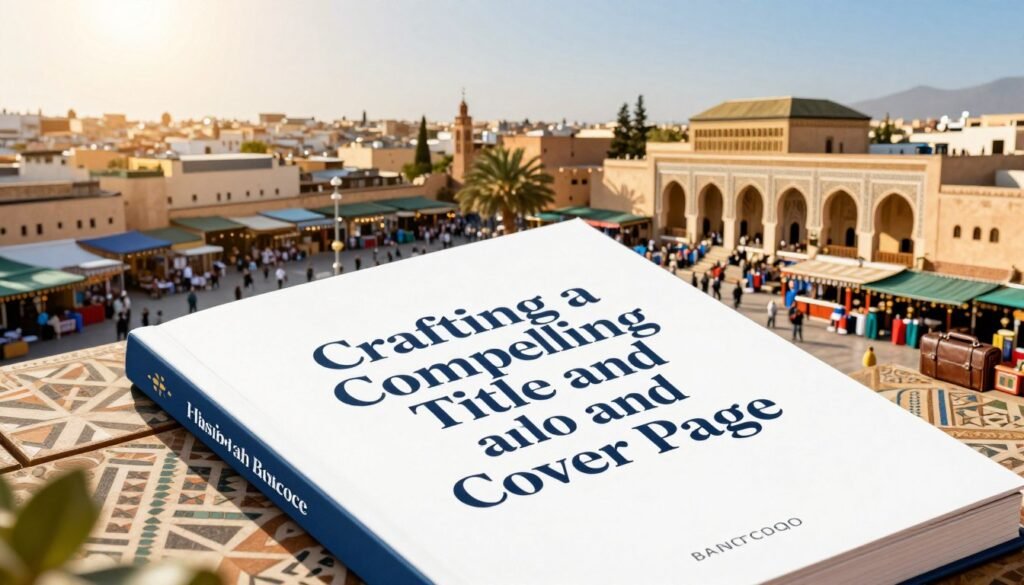
The cover page must include several key elements. List the proposal title, the client’s name, and your company name prominently.
Always add the submission date and your full contact information. Format these details elegantly with clean typography and ample white space.
Incorporate design that is both professional and culturally appropriate. Use subtle branding like your logo and a refined color scheme.
Avoid imagery that might be misunderstood in a Moroccan context. When in doubt, opt for simplicity and clarity over complex graphics.
Finally, save your final document as a PDF. This ensures consistent formatting when shared electronically with Moroccan clients.
It locks the visuals and layout, presenting your work exactly as you intended. This small detail completes a polished and professional cover page.
Step 3: Writing an Executive Summary That Resonates
Think of the executive summary as a strategic snapshot designed to win over key decision-makers from the start. This is your chance to make a stunning first impression. It must capture attention quickly and convince readers your full document is worth their time.
Structure this section with several core components. Begin with a strong hook that states the client’s core problem or opportunity. Follow with a brief snapshot of the current situation.
Then, provide a clear overview of your main solution. Highlight the key benefits and your unique value proposition. This logical flow guides the reader from point A to point B efficiently.
A critical step is to write this summary last. Complete all other sections of your document first. This ensures the summary accurately reflects the entire project scope and all key details.
Conciseness is non-negotiable. Aim for a single page. Use clear, benefit-oriented language. Avoid technical jargon and complex terms.
Every sentence should serve a purpose. Focus on outcomes and the value your company delivers.
Tailor the tone to resonate with Moroccan commercial values. Emphasize themes of partnership, reliability, and long-term vision. Show how your work supports sustainable growth and mutual success.
This approach aligns with local expectations and builds immediate trust.
If your summary is written in French or Arabic, have a native speaker review it. They can check for linguistic nuance and cultural appropriateness. This extra attention prevents misunderstandings.
It shows deep respect for the client’s language and communication style.
A powerful executive summary acts as a compelling ambassador for your team and ideas. It sets the stage for a positive review of your entire contract document. When done right, it turns initial interest into a serious conversation about the job ahead.
Step 4: Defining the Problem Statement with Local Insights
A well-defined problem is the anchor that gives your entire document purpose and direction. This step moves beyond general research. You must synthesize your findings into a clear, compelling narrative.
The core point of your writing is to solve a specific buyer’s challenge. Your statement must show a deep, verified understanding of their local situation. This builds immediate credibility with Moroccan decision-makers.
Use specific evidence to illustrate the scope and impact. Reference local market statistics, recent news reports, or regional economic trends. A relevant anecdote about the industry can make the issue feel real.
This moves your document from a generic proposal to a tailored analysis. It proves you did your homework.
Frame the problem in terms of its implications for the client‘s own goals. How does it hinder their growth, efficiency, or competitive position in Morocco? Connect it to their strategic vision.
This shows you see the bigger picture. You understand the stakes from their side of the table.
Avoid making assumptions. Your statement should be based on verified information from your research. If possible, reference a challenge the client has acknowledged in prior talks.
This alignment prevents your document from seeming out of touch. It demonstrates respectful and accurate listening.
Finally, connect the problem directly to the opportunity your solution presents. This creates a logical bridge and a sense of necessity.
It transforms a stated pain point into a clear chance for improvement. A strong problem statement makes your following ideas feel essential, not just optional.
Step 5: Proposing Solutions That Address Moroccan Market Gaps
Now, translate your deep market understanding into a structured roadmap for success. This is where you share your core plan. Your solution must be clear, actionable, and directly tied to the local challenges you outlined.
Start with your overarching approach. Explain the guiding philosophy behind your plan. Then, drill down into specific methodologies and tangible deliverables.
This logical structure builds confidence. It shows you have a thought-out process for the project.
Demonstrate how your solution is adapted for Morocco. Reference local labor practices, available supply chains, and common consumer behavior.
This proves your plan is practical on the ground. It’s not a generic template copied from elsewhere.
Present the work in clear phases. Each stage should have defined outputs and milestones. State how success will be measured at each point.
A phased timeline manages expectations effectively. It provides a visible path to project completion.
Highlight any innovative aspects of your solution. What gives you a competitive edge in the Moroccan market landscape?
Finally, show how your work creates value beyond the immediate client. Will it benefit local communities or support the wider Moroccan economy?
This broader value proposition can be a powerful differentiator. It aligns your proposal with national goals and sustainable growth.
Step 6: Showcasing Your Team’s Expertise and Local Partnerships
This step transforms your company from a faceless entity into a trusted group of experts. Your plan’s success depends on the people who will execute it. Moroccan clients want to know who they are partnering with.
Building this personal connection is a critical part of the process. It directly addresses the local preference for relationships over purely transactional deals. A strong presentation of your team builds the confidence needed to secure a contract.
Provide a clear framework for each key team member. Include their specific role, relevant educational background, and years of experience. Detail the exact skills they bring to this project.
Connect each person’s past work directly to the current job’s requirements. This shows a precise fit for the client’s needs. It turns a list of names into a roster of qualified specialists.
Make a special point to highlight any regional expertise. Did a team member live or work in Morocco? Do they speak Arabic or French fluently?
This local knowledge is a massive advantage. It signals you understand the cultural and operational landscape from day one.
Showcase formal partnerships with Moroccan firms. Mention any joint ventures or official agreements. Listing a respected local partner’s name builds instant credibility.
It mitigates perceived risk for the client. They see you have established, trustworthy support on the ground.
Include brief, powerful testimonials or case study snippets. Choose examples that demonstrate past success in similar markets or industries.
This social proof validates your team’s ability to deliver results. It turns past performance into a promise for future growth.
Never underestimate the human element. Add professional photos and short, engaging bios for core team members.
This makes your group feel relatable and trustworthy. It helps Moroccan counterparts put a friendly face to the management ideas.
This entire section answers a crucial client question: “Can these people do the job?” A well-crafted answer builds a foundation of trust. It turns your team from an unknown variable into your plan’s greatest asset.
Step 7: Creating a Realistic Timeline with Cultural Holidays in Mind
A well-planned schedule accounts for more than tasks. It respects local life and business rhythms. This step proves you understand the time needed to succeed.
Your schedule must be ambitious yet achievable. Moroccan clients value reliability above all. A realistic plan builds trust and shows professional management.
First, break the project into clear phases. Define each major milestone and its final deliverable. Assign a responsible team member for every key point.
This clarity prevents confusion later. It sets clear expectations for everyone involved.
Always factor in local holidays. These periods significantly slow or halt commercial activity. Major observances include Ramadan, Eid al-Fitr, Eid al-Adha, and Throne Day.
Work hours shorten during Ramadan. Many offices close for the multi-day Eid celebrations. Marking these dates shows deep cultural attention.
Build extra buffer time into your schedule. Government approvals and customs clearance can move slower than expected. Administrative processes require patience.
Adding a contingency week is a smart step. It protects your end date from unforeseen delays.
Use visual tools to explain your plan. A Gantt chart is an excellent choice. It turns complex details into an easy-to-follow graphic.
This visuals approach demonstrates high-level experience. It gives clients a clear picture of the work flow.
In your narrative, explicitly state you considered cultural holidays. Write a short note in the timeline section. This simple act shows respect and local awareness.
It turns a generic schedule into a tailored plan. It addresses a specific industry reality in Morocco.
Review the final timeline with your local partners. They can spot potential conflicts you might miss. This collaboration improves the plan’s chance of success.
A realistic schedule is a powerful part of your contract. It transforms promises into a visible path for growth. It shows you are prepared to do the job right.
Step 8: Presenting Financials with Currency and Tax Considerations
Your financial presentation must be transparent, precise, and adapted to local commercial norms. This step builds the foundation for a successful partnership. It turns your strategic plan into a clear investment framework.
Clients need to see exactly what they are paying for. Ambiguity here can derail trust and the entire contract. A well-structured financial page shows professional management and respect for the client’s budget.
Always list all costs in Moroccan Dirhams (MAD). This is the local currency for all official transactions. You must clearly state if amounts include or exclude Value Added Tax (VAT).
The standard VAT rate in Morocco is currently 20%. This detail prevents surprises during invoicing. It is a critical part of transparent terms.
Provide a clear breakdown of costs by category. Separate professional fees, materials, travel expenses, and licensing costs. This justifies the total project investment.
It shows clients how their money will be spent. A simple table can make this visuals clear and easy to understand.
Understand common payment structures in the local market. A 30-40% advance payment is typical for many types of work. Subsequent payments are often tied to specific milestones.
A final retention payment (often 5-10%) may be held until full completion. This structure aligns payment with project progress and protects both sides.
For international teams, specify complete banking details. Include your account information, SWIFT/BIC code, and the bank’s full address. If transfers require an intermediary bank, list that information too.
This facilitates smooth, error-free payments. It removes a major logistical problem for your client’s finance team.
Address currency fluctuation risks directly. State clearly if your quoted prices are fixed in MAD. If costs are subject to change based on exchange rates, explain the mechanism.
Managing these expectations upfront is a sign of good faith. It prevents difficult conversations later in the work process.
This financial section is more than numbers. It is a testament to your professionalism and local awareness. Getting it right builds the confidence needed to move from discussion to a signed contract.
Step 9: Specifying Terms and Conditions Under Moroccan Law
A clear legal framework is the final, essential piece that protects both parties and ensures project success. This step formalizes your partnership with precise expectations.
It turns your strategic ideas into a binding agreement. Getting this right is critical for a smooth working relationship from day one.
You must have a local Moroccan lawyer review every part of your document. This is a non-negotiable need for any serious work. Their expertise in commercial law is invaluable.
They will spot potential issues you might miss. This protects your company and shows deep respect for local practice.
Several key clauses require specific adaptation for this market. First, specify that Moroccan courts have jurisdiction over any legal matters. This is a standard expectation for local firms.
Next, state the official language of the final contract. French or Arabic is strongly preferred for full legal enforceability.
Also, confirm your plan follows all local data protection and industry regulations. This demonstrates your commitment to full compliance.
Include clear provisions for force majeure. Account for events common in the region that could delay the job.
Define a fair dispute resolution mechanism. Many partners prefer mediation or arbitration in a center like Casablanca.
Present these terms in a clear, summarized format within your main document. Use simple language and avoid dense legal jargon.
Add a note stating a full, legally binding contract will follow upon acceptance. This keeps the initial proposal readable while signaling serious intent.
Transparency and fairness in your terms build the long-term trust paramount in Moroccan relationships. It shows you value partnership over a quick deal.
Solid legal groundwork turns a good plan into a secure foundation for mutual growth.
Step 10: Including a Clear Call to Action for Moroccan Decision-Makers
This crucial step turns your detailed plan into actionable next steps. Your entire document aims for this moment. A strong call to action guides the client toward a formal partnership.
Make this section direct and easy to follow. Respect the local decision-making process. Avoid vague language like “hope to hear from you.”
Specify the exact next step required. For example, “Please sign and return this document by [specific date].” Another option is “Schedule a final review meeting via the link below.”
You can also write “Contact our project lead, [Full Name], at [phone number].” This clarity removes confusion. It shows you value the client’s time.
Include a formal signature block. Provide spaces for the client’s name, title, company, and the date. This formalizes acceptance of your terms.
It transforms your document into a ready-to-sign contract. This small detail speeds up the process.
Offer multiple ways to respond. Some clients prefer email. Others may want to return a signed PDF.
An online portal is another excellent option. Accommodating their preferred method shows flexibility. It makes saying “yes” very easy.
End your document on a positive, collaborative note. Express eagerness to begin the partnership. Highlight your commitment to delivering results in Morocco.
A strong closing reinforces mutual goals. It turns a transaction into the start of long-term growth.
Design and Formatting Tips for Moroccan Audiences
In Morocco, where mobile device usage is high, your document’s design must adapt to on-screen viewing. A polished layout does more than look good. It enhances readability and shows deep respect for the client’s time and attention.
Thoughtful formatting makes your content easy to digest. This is critical for busy decision-makers. A clean, professional way to present information can set you apart.
Using Visuals and Branding Effectively
Strategic visuals support your written message. They break up text and highlight key points. Use charts to explain complex data simply.
Include your company logo and a consistent color scheme. This reinforces your brand identity throughout the document. Avoid cluttered or overly flashy graphics.
Choose images that reflect the local context respectfully. A simple, elegant design feels more trustworthy. Every visual element should have a clear purpose.
Ensuring Mobile-Friendly and Accessible Formats
Most professionals in Morocco review documents on their phones. Your PDF must be optimized for small screens. This is a non-negotiable step in today’s market.
Use a legible font size and high contrast between text and background. A single-column layout is best for easy scrolling. These details prevent eye strain and frustration.
Consider providing multiple digital formats. A web-hosted version or a PowerPoint summary offers flexibility. This ensures maximum accessibility for all members of the team.
Always test your final document on different devices. Check how it looks on various smartphones and tablets. A positive user experience makes a strong impression.
This level of care demonstrates professionalism and consideration. It can give you a real edge over competitors. A well-formatted contract document is easier to approve and sign.
Great design removes barriers to your message. It helps your ideas shine and your work get the serious attention it deserves. Focus on clarity and ease from the first page to the last.
Common Pitfalls to Avoid in Moroccan Business Proposals
Even a well-researched plan can fail if it falls into predictable traps that alienate Moroccan partners. Knowing these common errors helps you steer clear of them. This awareness protects your hard work and increases your chance of success.
A major mistake is using a generic, one-size-fits-all document. Sending the same content to every client shows a lack of effort. Your submission must reflect deep knowledge of the local industry and the specific company’s details.
Tailor every part to address their unique pain points. This level of customization proves you did your homework.
Never underestimate the importance of personal relationships. Rushing straight to financial terms without building rapport is a serious error. Moroccan culture values trust and connection before formal agreements.
Take time for genuine conversations. This foundational step makes discussing the actual job much smoother later on.
Ignoring language preferences is another critical misstep. Sending a document only in English to a Francophone firm can appear disrespectful. French is the dominant language for formal commercial affairs.
Always confirm the client’s preferred language in advance. This simple act shows respect for their communication way.

Making unrealistic promises about timelines destroys credibility. Your schedule must account for local holidays and bureaucratic processes. Failing to plan for Ramadan or Eid celebrations shows poor management.
Set clear, achievable expectations from the start. A realistic timeline builds trust and demonstrates professional experience.
Unclear financials are a fast way to lose a contract. Never omit currency specifications or tax implications. All costs should be listed in Moroccan Dirhams with VAT clearly stated.
Outline payment terms with full transparency. Vague numbers create confusion and can lead to disputes down the line.
Avoiding these pitfalls requires attention and cultural sensitivity. Each one represents a barrier to building a strong partnership. By steering clear, you protect your document’s integrity and your team’s reputation.
This careful approach turns a potential problem into a solid foundation for mutual growth.
Conclusion: Finalizing and Submitting Your Proposal for Success
The final phase transforms your comprehensive work into a compelling offer for Moroccan partners. Success hinges on cultural adaptation, thorough research, and clear structure.
Before submission, proofread meticulously. Verify all sections for completeness and local legal compliance. A native reviewer can check cultural nuance and language accuracy.
Consider your submission protocol. Email is standard, but presenting in person shows high respect. Professional platforms with tracking offer added security.
Use these steps with confidence. Your careful preparation positions you to secure valuable contracts and foster long-term growth in Morocco’s promising economy.
FAQ
How important is cultural adaptation in a document for the Moroccan market?
It’s critical. Your plan must respect local norms. This includes understanding communication styles, observing formal etiquette, and acknowledging national holidays in your schedule. A tailored approach shows respect and significantly increases your chance of winning the contract.
What are the most important sections to include for a Moroccan audience?
Focus on a strong executive summary, a clear problem statement with local insights, and a solution that addresses specific market gaps. Also, dedicate space to showcase your team’s credibility and any local partnerships. Transparent financials with details in Moroccan Dirhams are essential.
Which languages should I use in my document?
While Modern Standard Arabic is official, French is widely used in commerce. For best results, prepare your main content in French and have an Arabic executive summary available. English is acceptable in certain tech or international industries, but always confirm your client’s preference first.
Why is the timeline section so specific for this region?
Including cultural and religious holidays, like Ramadan and Eid, is a sign of deep respect. It demonstrates you’ve done your research and are proposing a realistic, considerate schedule. This builds trust and shows you understand the local work rhythm.
How should I present the financial details?
Always quote prices in Moroccan Dirhams (MAD). Be transparent about all costs, including the 20% Value Added Tax (VAT) where applicable. Clearly outline payment terms, preferred methods, and any staged payment options to align with local expectations.
Do I need to adjust the legal terms and conditions?
Absolutely. Standard terms may not be enforceable. You must adapt this section to comply with Moroccan contract law. It is highly advisable to consult with a local legal expert to draft or review the terms, ensuring your agreement is legally sound.
What design and formatting tips are most effective?
Use clean, professional visuals and consistent branding. Ensure the document is mobile-friendly, as many professionals review content on smartphones. A well-designed, easy-to-navigate plan reflects positively on your company’s attention to detail and professionalism.